PVC is an architectural supermaterial.
PVC is excellent for building.
PVC was first adapted to large-scale industrial applications by the US Navy during the Second World War, for use in waterproofing warships (Spitz 1988). Since then, it has joined steel and concrete as one of the dominant synthetic materials in construction throughout the world, with more than 14 billion pounds produced in the US and Canada each year (Linak 2003).
It can be welded.
Unlike most other hard plastics, uPVC can be melted to form thermal bonds and create fused joints which offer the strength of mechanical joints plus air and water-tightness.
It's a natural insulator.
Because uPVC is so versatile, and more specifically because it can take any shape, it's possible to build window and door frames that are extremely strong and partially hollow. These hollow internal chambers are highly effective as insulation.
It's long been recognized as safe.
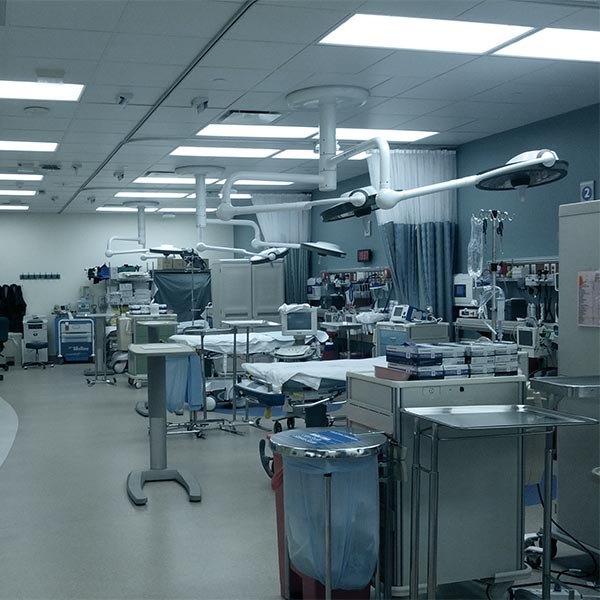
You have nothing to fear from PVC. But don't take our word for it—hospitals use it for IV bags, blood bags, all kinds of tubing, masks, and more (Vinyl Info).
uPVC doesn't contain BPA or pthalates.
uPVC is naturally free of bisophenol A (BPA), unlike most other hard plastics. And because uPVC doesn't require the use of plasiticizers, it is never mixed with pthalic acids (including [DEHP](http://www.fda.gov/MedicalDevices/Safety/AlertsandNotices/PublicHealthNotifications/ucm062182.htm)), that are used to make softer plasitcs.
It doesn't leech chemicals, even at high temperatures.
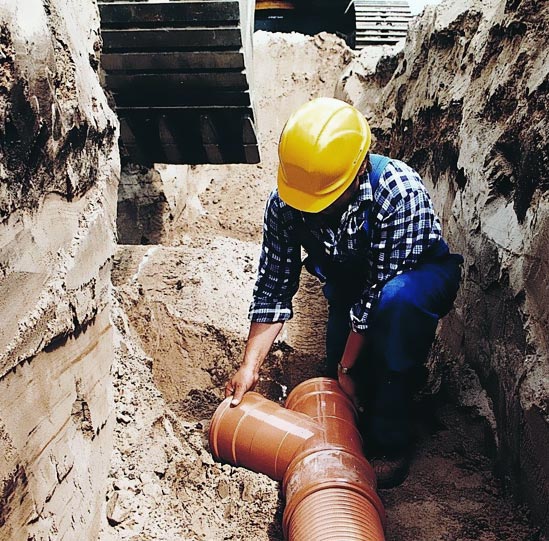
Many plastics are known to leech dangerous chemicals into the air and water at high temperatures. That's why polycarbonate plasticware isn't dishwasher safe. PVC doesn't release chemicals that way. That's why hospitals can use it, andthat's why it's used for most new municipal water lines and for indoor plumbing pipe.
It holds up—forever.
It stands up to moisture and mold.
Unlike wood, consistent dampness won't cause problems for PVC, even over an extended period of time. It doesn't rot, and won't warp. What's more, mold growth will not denature, stain, or otherwise damage uPVC.
It doesn't corrode.
Unlike aluminum and some fiberglass products, PVC doesn't corrode, and it's unaffected by most chemicals and solvents that will destroy most materials over time.
It's easy to clean and maintain.
Cleaning smooth uPVC is normally as easy as light contact with a damp cloth, and most stains can be removed with ordinary cleaning solutions. And unless your uPVC window or door came painted or custom finished originally, you will never have to paint it to renew its appearance. Just wipe it down. See below for a comparison of the drawbacks of alternative construction materials.
| aluminum | fiberglass | wood | uPVC | |
|---|---|---|---|---|
| Requires paint or stain | ✔ | ✔ | ✔ | |
| Susceptible to mold | ✔ | |||
| Susceptible to rot | ✔ | |||
| Susceptible to corrosion | ✔ | ✔ | ||
| Low impact resistance | ✔ | |||
| Requires mechanical joints | ✔ | ✔ | ✔ | |
| May chip | ✔ | |||
| May crack or split | ✔ | ✔ | ||
| Scratches easily | ✔ | ✔ | ||
| Conducts heat | ✔ | |||
| Warps due to moisture | ✔ |
References
Linak, Eric & Kazuo Yagi. (2003). Polyvinyl Chloride (PVC) Resins. InChemical Economics Handbook Marketing Research Report. Menlo Park, CA: SRI International.
Spitz, Peter H. (1988). Petrochemicals: the rise of an industry. New York, NY: John Wiley & Sons. Vinyl Institute. (n.d.). Medical. Retrieved: Nov 5 2015. From http://vinylinfo.org/uses-of-vinyl/medical/.